 +971 2 551 0325, +971 50 441 5348
glfsteel@emirates.net.ae  +971 2 551 0325,+971 2 551 0098, +971 50 441 5348 (Only For Sales Enquiries)
+971 2 551 0325, +971 50 441 5348
glfsteel@emirates.net.ae +971 2 551 0325,+971 2 551 0098, +971 50 441 5348 (Only For Sales Enquiries)
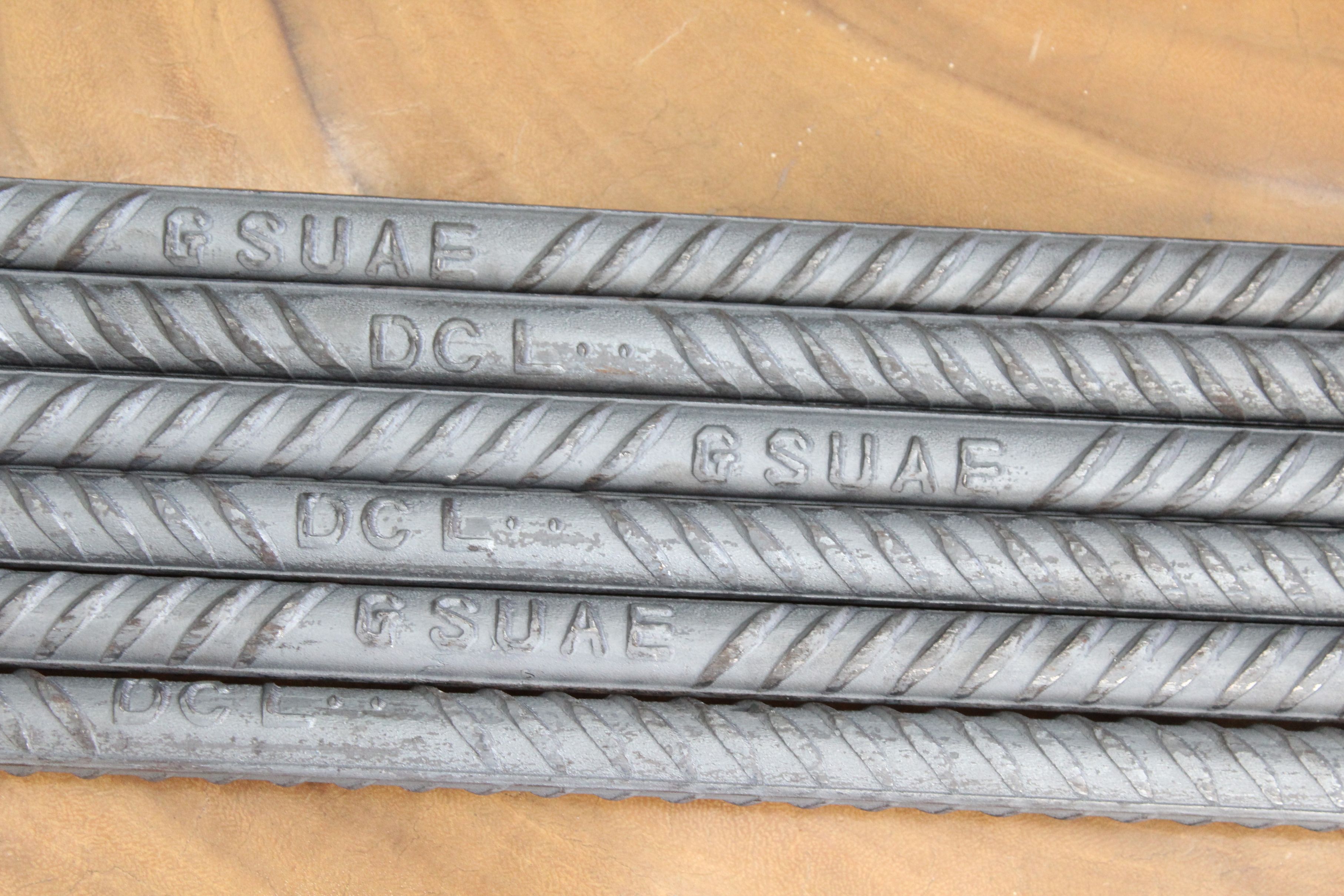
Steel rebars are pivotal in modern construction. This material transforms plain concrete into a high-strength composite, counterbalancing concrete’s tensile weakness. Especially using ribbed deformed bars, a mechanico-chemical bond is created that enables two materials to act as a single unit. This gives the structure the ability to resist loads, prevent slippage and minimize cracking.
Made from steel, the steel reinforcement bar is the hidden, unseen element that strengthens dry, brittle concrete. It performs extremely well under compression, creating a solid yet flexible base supporting modern architecture. The rebars are the primary reason we see bridges and skyscrapers standing tall and strong, which even span rivers.
Concrete with steel rebars is not enough
Although concrete has high compressive strength, it can buckle under heavy weight. It fails under tensile stress and tends to crack. This compromises structural integrity. Steel works well in tension, while concrete is good in compression. That is why there is a need for a composite material, such as reinforced concrete, to make a structure strong and more durable.
When steel and concrete bond, they can expand with temperature changes and also maintain the integrity of the structure. The rebar’s placement, installation and design are critical to prevent structural failures. Additionally, the efficiency of construction is improved with advanced technology, such as epoxy coatings and digital modeling (BIM).
Key bonding aspects of concrete and steel
Three main components are responsible for the bond between rebar and concrete: friction, chemical adhesion, and mechanical interlocking arising from the deformation of rebar ribs on their surface. Rebar provides high tensile strength and prevents concrete from failing under loads. Mechanical interlocking is increased with lugged/ribbed/deformed rebars, while plain rebars rely on weak adhesion. Besides, the thermal expansion coefficients of both steel and concrete are similar. That is why the contract and expand together without harming the bond.
Gulf Steel Rebars
Gulf Steel Produces Rebars confirming to BS 4449:2005 Gr. B 500B.